A recent 30-year bond issuance saw yields rise above 5%. They have not stopped there. As of this writing, the 30-year yield stands at just below 5.2%. This is the highest they have reached since around 2003. It may be easy to assume that this is a local issue, but long bond yields are rising globally. The equivalent Japanese bond is at its highest since it began trading 27 years ago. The UK long bond yield is at its highest since 1998. According to Torsten Slok of Apollo Management, a basket of 10-year bonds from the G-7 rich nations is at its highest in 22 years (below). High rates can have profound implications for investors if they remain at elevated levels.
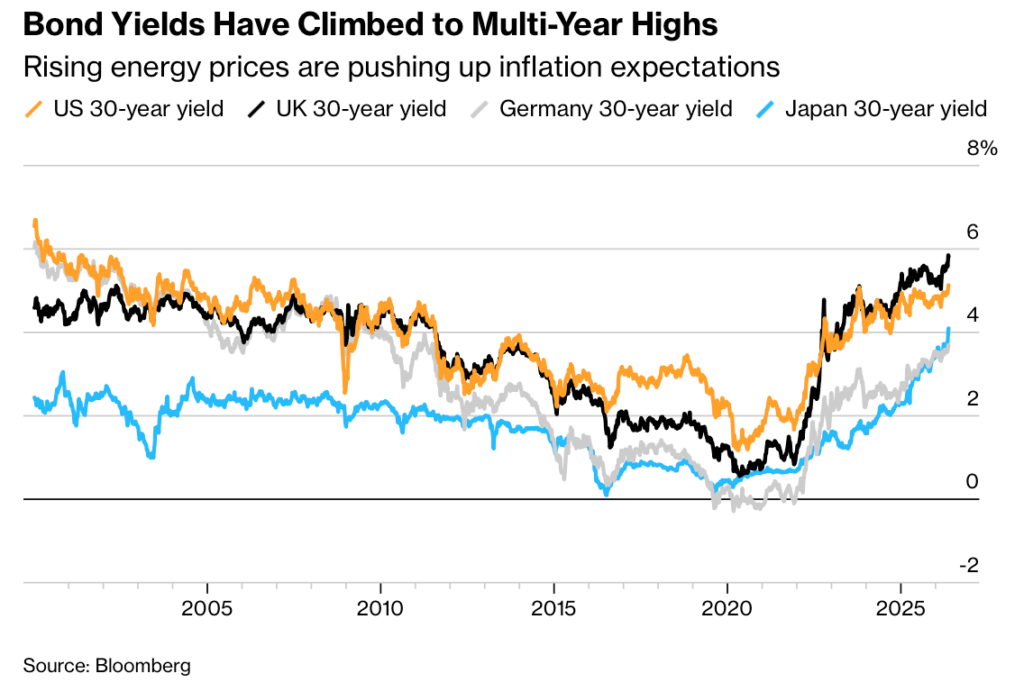
It is important to remember that Western Governments tend to have little direct influence on long bond yields. They can affect the short term through their control of the money supply, but they do not have much influence on longer dated issues. There are a number of factors at work influencing bond investors push for higher yields.
Gulf Conflict
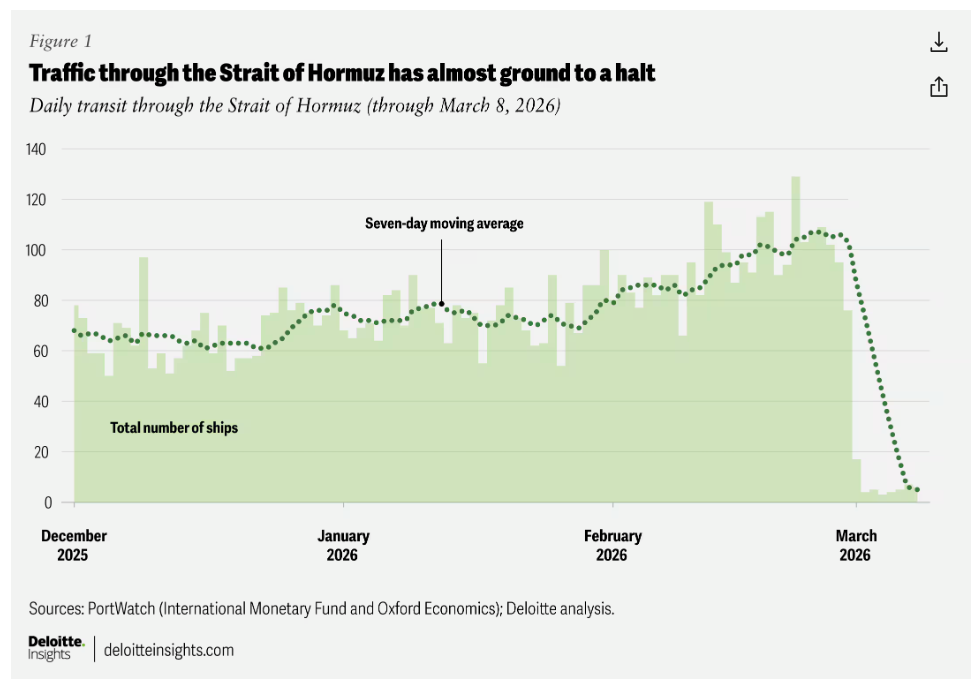
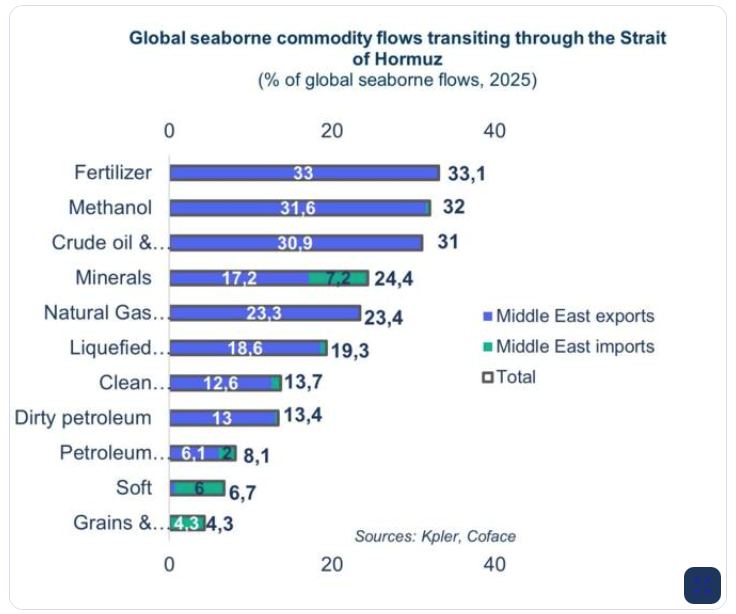
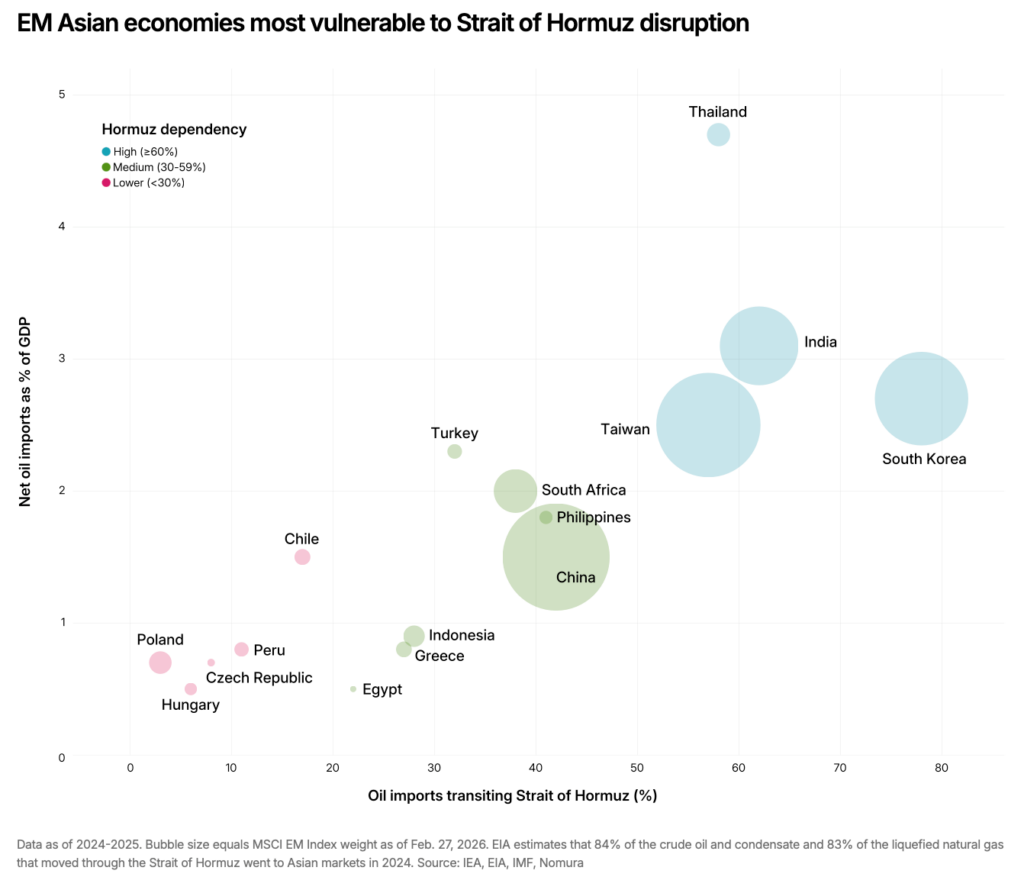
The conflict in the Middle East was originally pitched as a “2-3 week excursion”. As it looks likely to extend well past a couple of months, investors are coming to grips with the fallout. Oil and other commodity prices are high, owing to Iran’s shutdown of the Strait of Hormuz (below, first), and they are likely to stay high even after the conflict subsides. It seems unlikely at this point that Iran will cede control of the Strait but will rather attempt to charge tolls on ships transiting through. Additionally, the conflict has cause damage to oil production that will take months to years to restore. The potential damage extends well beyond crude supplies (below, second). Asian economies in particular are vulnerable to long term effects, and this is being reflected in their bond issuances (below, third).
AI Buildout
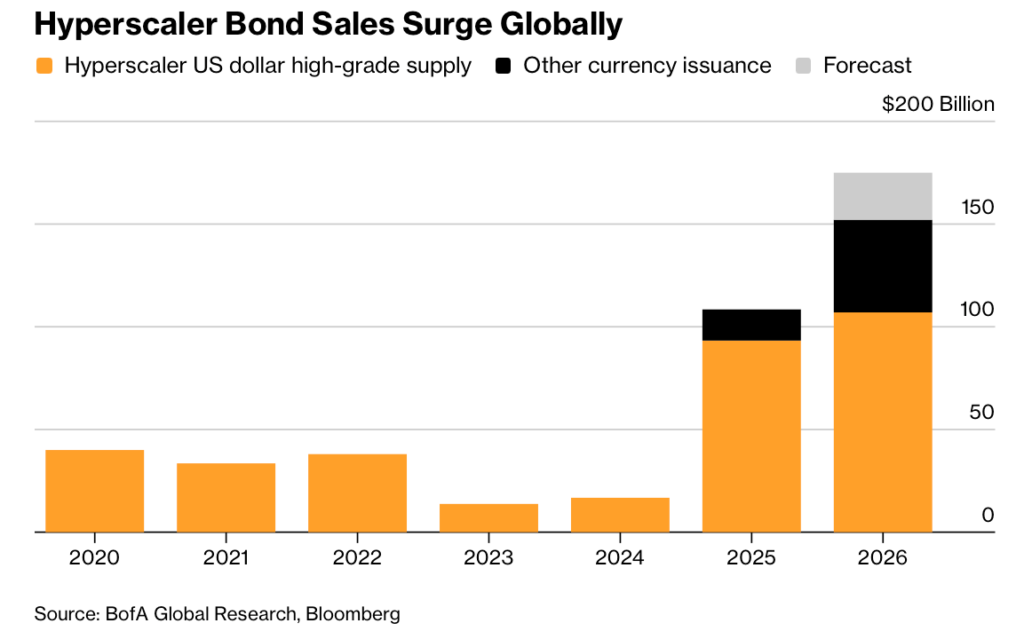
Surprisingly, the fast pace of the AI buildout is affecting bond markets as well. With over $700B in spending targeted for next year and plans for future increases annually, the capital required to meet the AI buildout plans of the major hyper scalers has begun to far exceed their internal free cashflow generation, thereby requiring them to tap bond markets (below). They have reached the point where they are now beginning to look to other debt markets outside of the US to satisfy their capital needs. For instance, in a 4-month span, Alphabet Inc. (Google’s parent) tapped foreign debt markets for over $60B with issuances in Canadian dollars, Euros, Sterling, Swiss Francs and Yen. All of these “extra” bond issues have the effect of diluting demand and causing bond yields to rise.
Government Debt
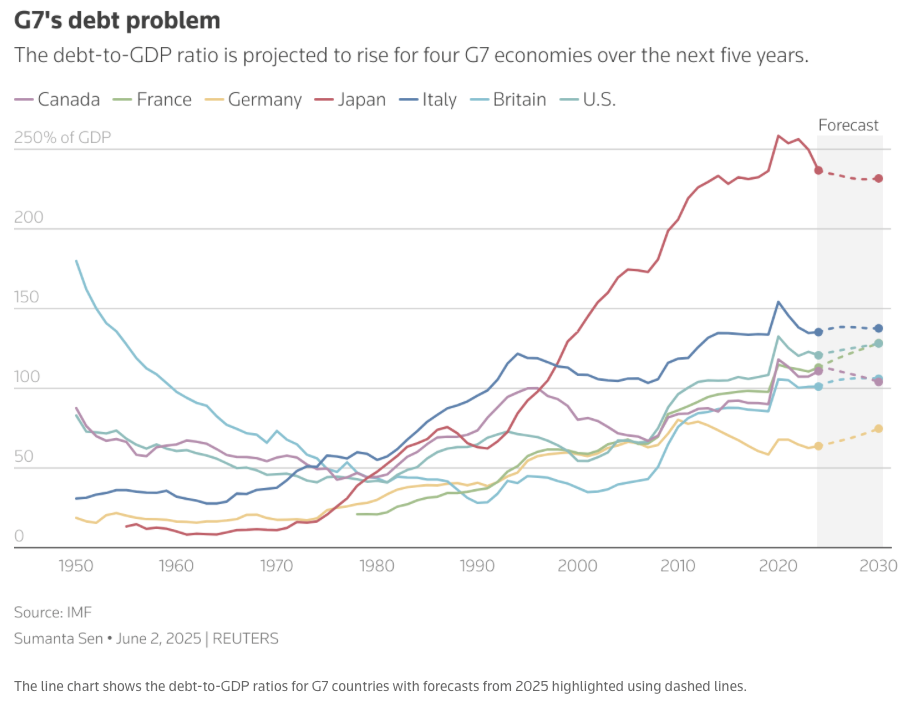
Throughout the developed world, government debts are spiraling upwards. The US is leading the pack on this and the recent loss in the Supreme Court with respect to tariffs coupled with the prolonged Gulf conflict has raised concern amongst investors as to the long term solvency of many governments. Generally speaking, the debt-to-GDP for most G-7 countries has been rising significantly over the last 30+ years and is projected to continue so. This creates the question of how much is too much? While Japan has had very high government debt levels for some time, most of their debt is held domestically which is less problematic in some sense. On the other hand, US debt is widely held by foreigners. Congress estimates that 31% of the US sovereign debt is held by foreign investors (versus 10-11% in Japan). This makes their debt very sensitive to the actions of outside investors.
Inflation
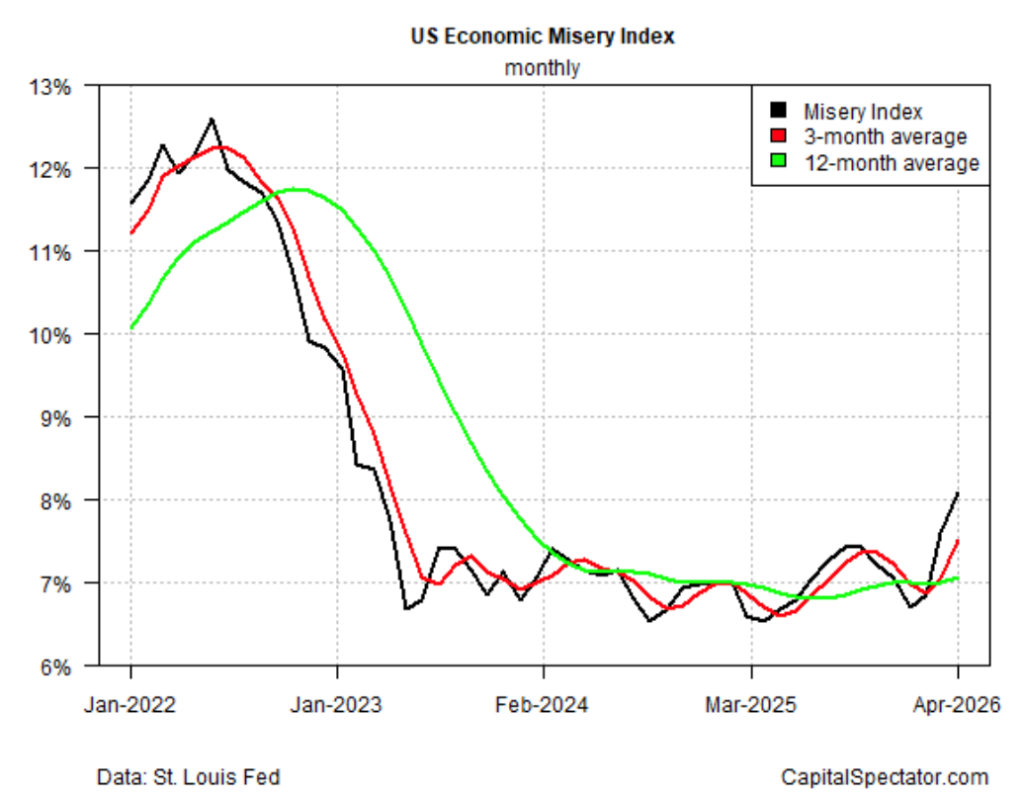
Inflation expectations were high even before the Gulf conflict. Since then, inflation readings have been very high. The Cleveland Fed’s nowcast (an estimate of current expectations) indicates that headline CPI will top 4% annually in the coming survey. Sustained readings at this level will prevent the Fed from lowering short term rates regardless of who is running the Fed. The current “Misery Index” which combines inflation rates with unemployment highlights that average Americans are beginning to feel the stress. It is at its highest reading in 3 years when the markets were still recovering from the aftershocks of COVID.
Investor Takeaway:
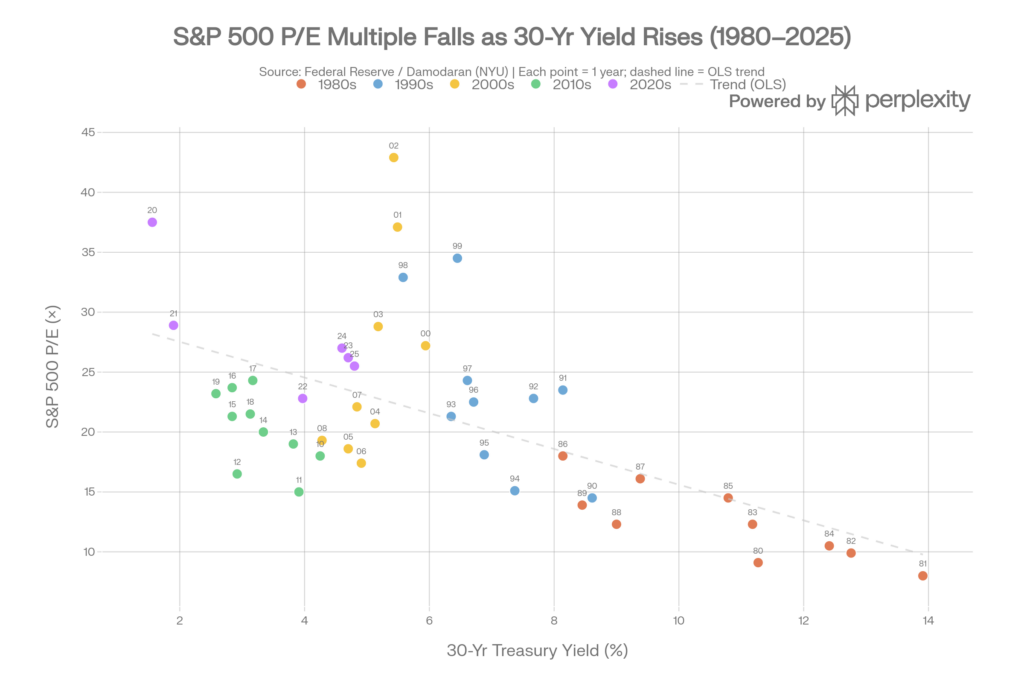
Long bonds are not often used by investors unless they are speculating on rate changes (as the longer the bond, the more sensitive the value is to interest rates). However, it is important to note that long rates affect capital allocation. Most mortgages are priced based off of 25–30-year rates, so they affect housing demand. Further, corporate issuers tend to borrow over 5–10-year periods and higher rates affect profitability and long-term growth decisions. Higher rates lead to investors allocating more capital to bonds over equities removing potential investment dollars from the stock market. Finally, P/E multiples are generally inversely correlated with long bond rates because cashflows are discounted over time using long rates (below). While not reaching a point where investors should panic, it is best to keep an eye on how rates are trending and adjust capital allocations accordingly, especially for lower risk tolerant investors.